Menu
About Me
Understanding is
where justice begins.
where justice begins.
For me, this is more than a research statement. It is a way of approaching students, communities, and collaboration: listen carefully, make overlooked experiences legible, and build responses that people can actually reach.
Where it started, curiosity about people
View photos
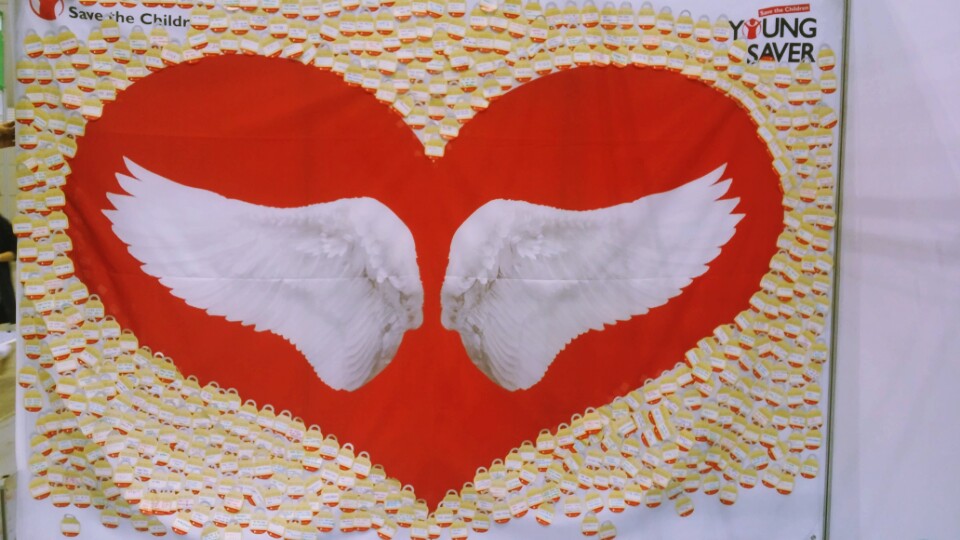
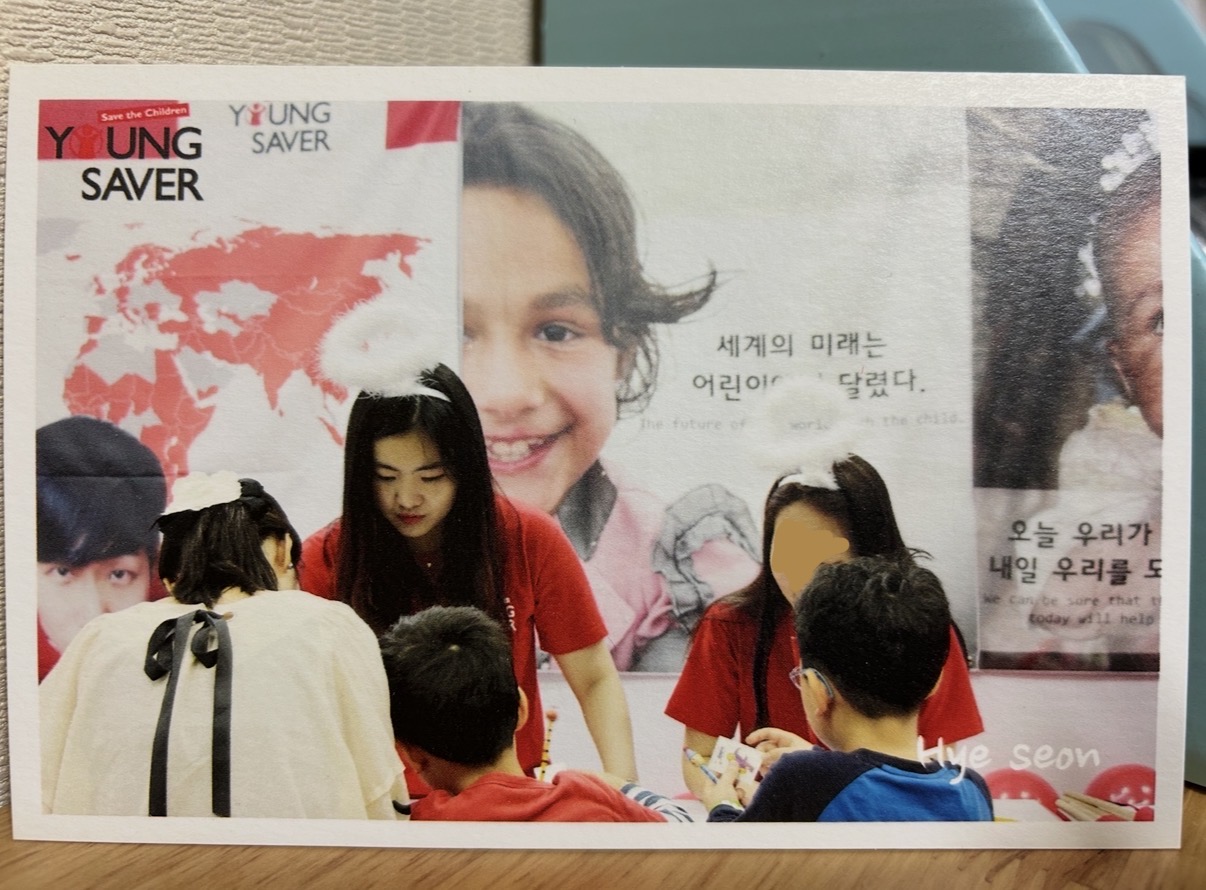
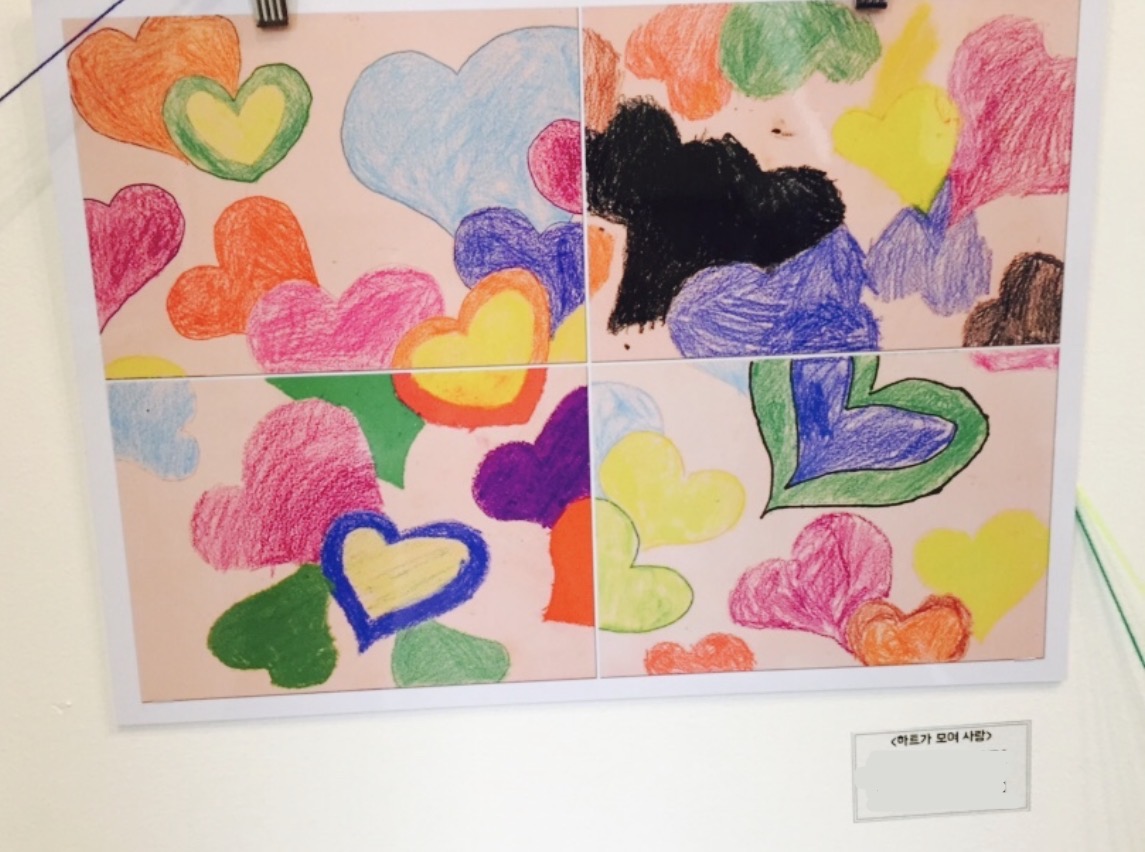
I have been curious about people for as long as I can remember, and I have always liked listening to their stories. In college I spent as much time outside my classes as in them, volunteering and joining programs, and I ended up hearing from people whose lives had very little in common with mine.
In 2015 I began volunteering as an assistant instructor at the Vietnamese Saturday School, run by Kids of Asia at Save the Children in Seoul. My job was to help with language and cultural activity classes, and at first that was mostly what it was to me. I liked the program and I liked playing with the kids.
What changed things was talking to the parents at drop-off and pick-up. They kept telling me how much the program mattered to them, because it helped them stay connected to their own children. Connected to their children? I remember thinking that could not be the hard part. I did not know anything yet.
The children were fluent only in Korean. Their parents, who had come from Vietnam, were not, and the gap between them was widening a little every year. The parents were also cut off from their own language and community, and increasingly from their own kids. At the time South Korea had very few multicultural families and few services built for them, in a country that still described itself as a 단일민족 국가 (danilminjok gukga), a single-ethnicity nation.
Two things came out of that year. One was obvious in hindsight: these families needed to be part of the society they lived in, and almost nothing was set up to help with that. The other took longer. What they needed was not what I would have guessed. It was not more Korean lessons. It was somewhere they could stay a family and still belong. I would not have known that from the outside. I only knew and understood because I stood at the door for a year and asked. After that I kept paying attention to people who fall outside what services are designed for, and to what it takes for anyone to build those services in the first place.
How I found justice
View photos
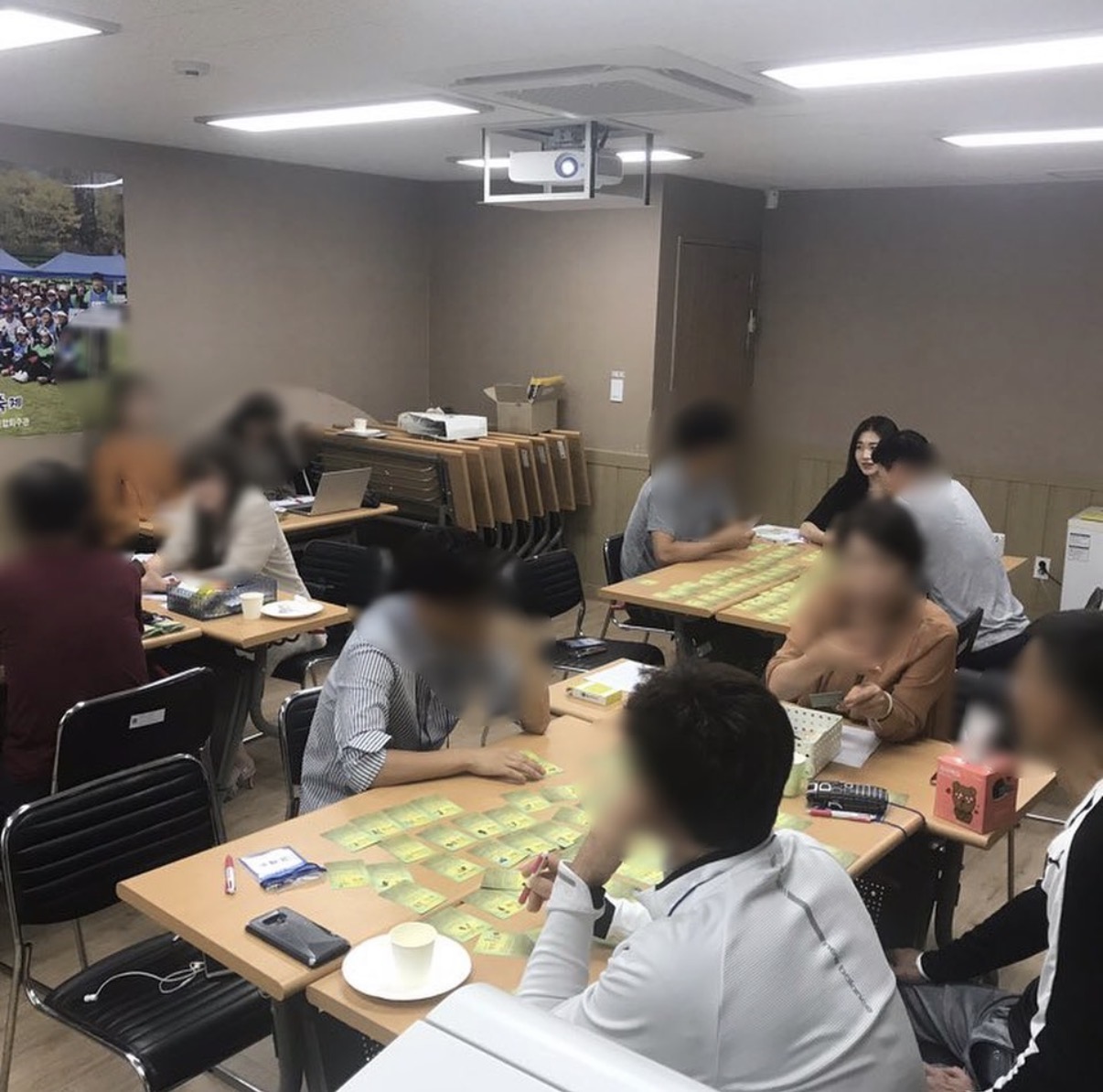
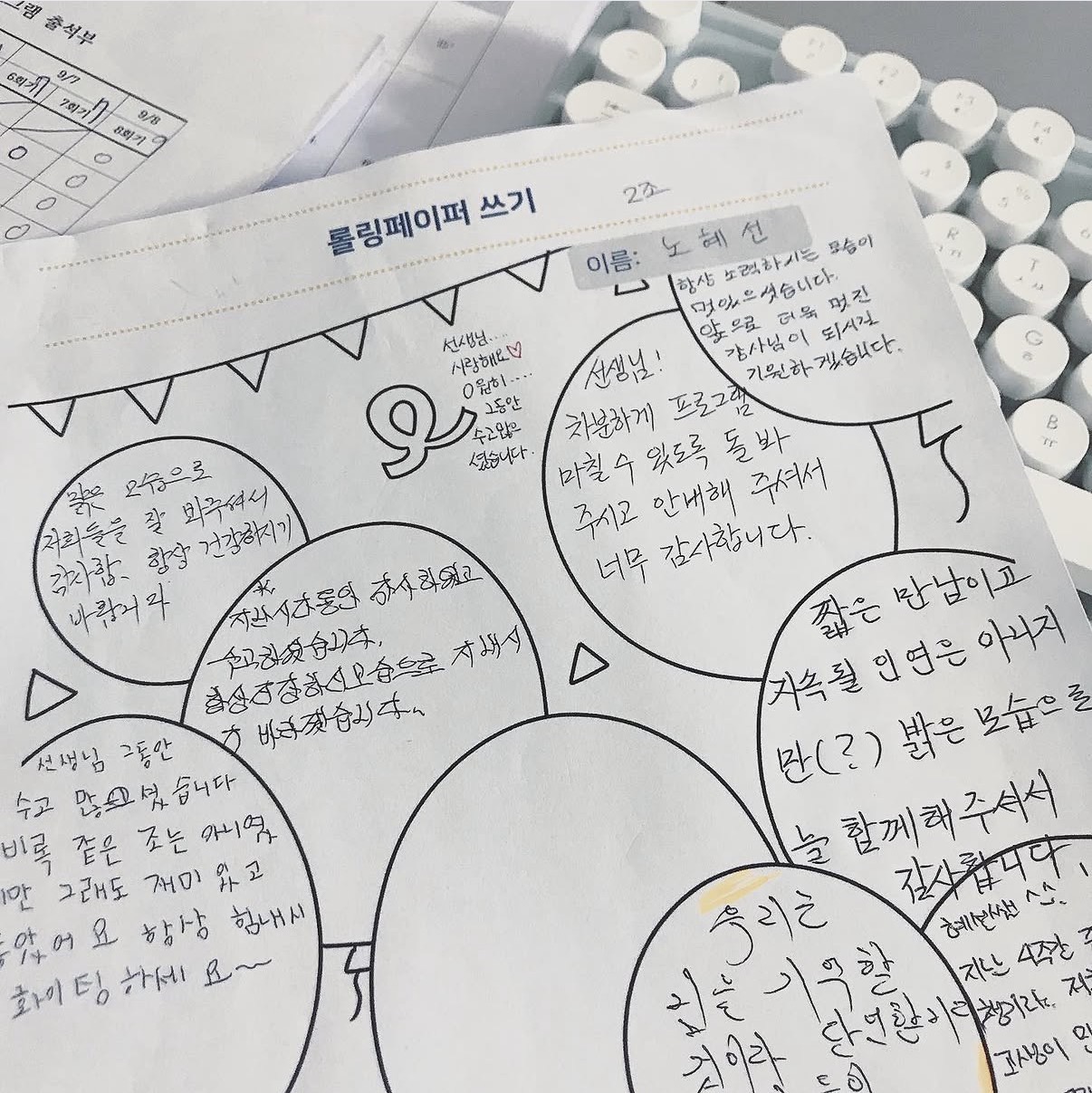
Around graduation I picked up a book in a bookstore. It was about people who had committed crimes and were now living unnoticed in ordinary life. I had been fairly punitive about crime until then, and the book made me want to know how people actually arrive at it. Its argument was that condemning people accomplishes very little, and that public safety depends on understanding how someone gets there and what keeps them from going back. The author later became my master’s program advisor. I wanted to do what she did, which was sit with these people and listen.
So I studied Forensic Psychology. For the next few years I sat across from people serving sentences, people who had just been released, people on probation, and teenagers who had been arrested, and listened to them account for how they had ended up in front of me. I worked on projects and ran programs. What I kept coming back to was not what any of them had done. It was what had been missing beforehand, and what could have been in place.
The question I cared about changed. It stopped being how people should be punished and became how they could be brought back in.
That question took me to a Ph.D. in Criminology and Criminal Justice. The pandemic delayed my start, which felt like bad luck at the time and turned out not to be. I spent those months at ECPAT Korea working on the Korean edition of the Luxembourg Guidelines. The work was terminology, deciding what each harm should be called in Korean. What a harm is called in the law determines whether it can be charged at all, and whether anyone is protected from it. That work is where I understood how much rests on a single word in a statute.
What community keeps teaching me
View photos
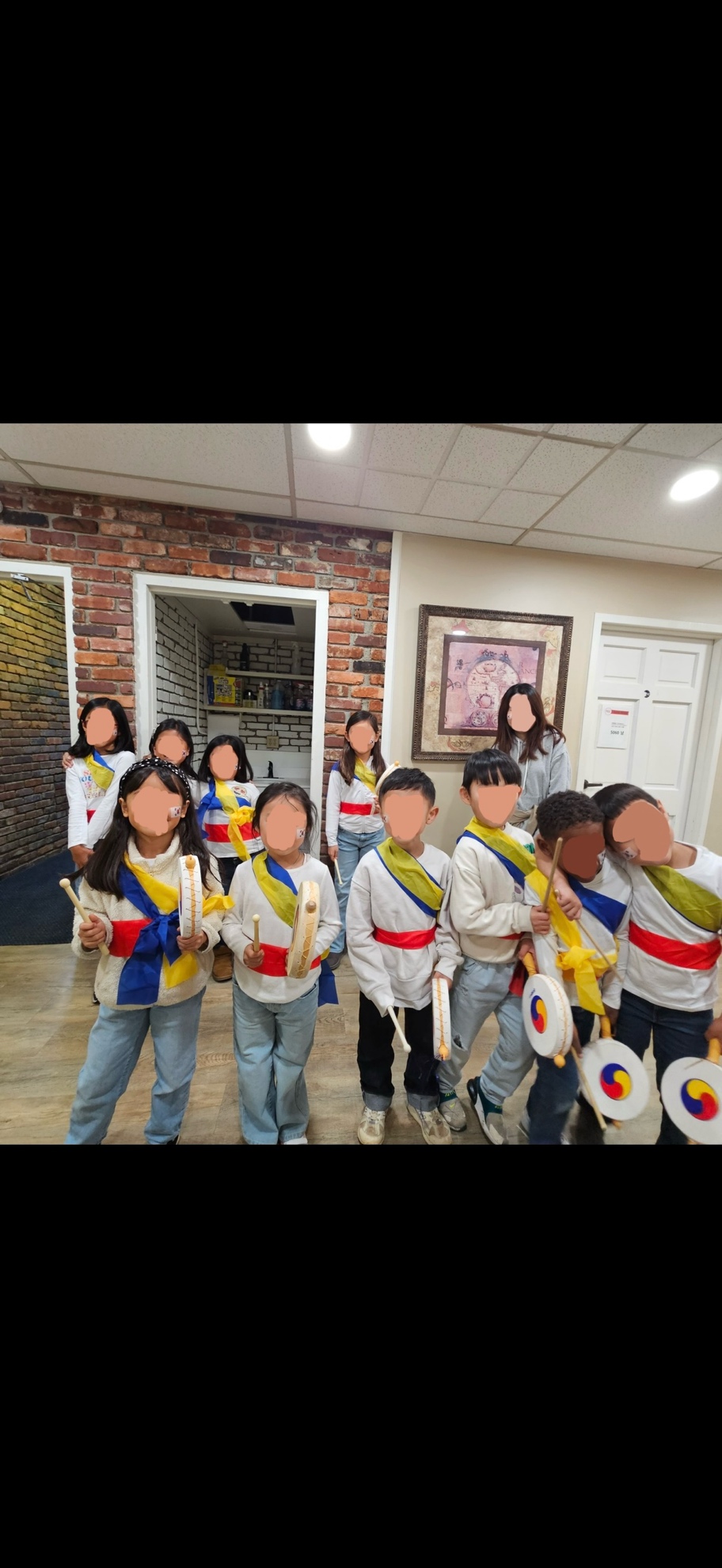
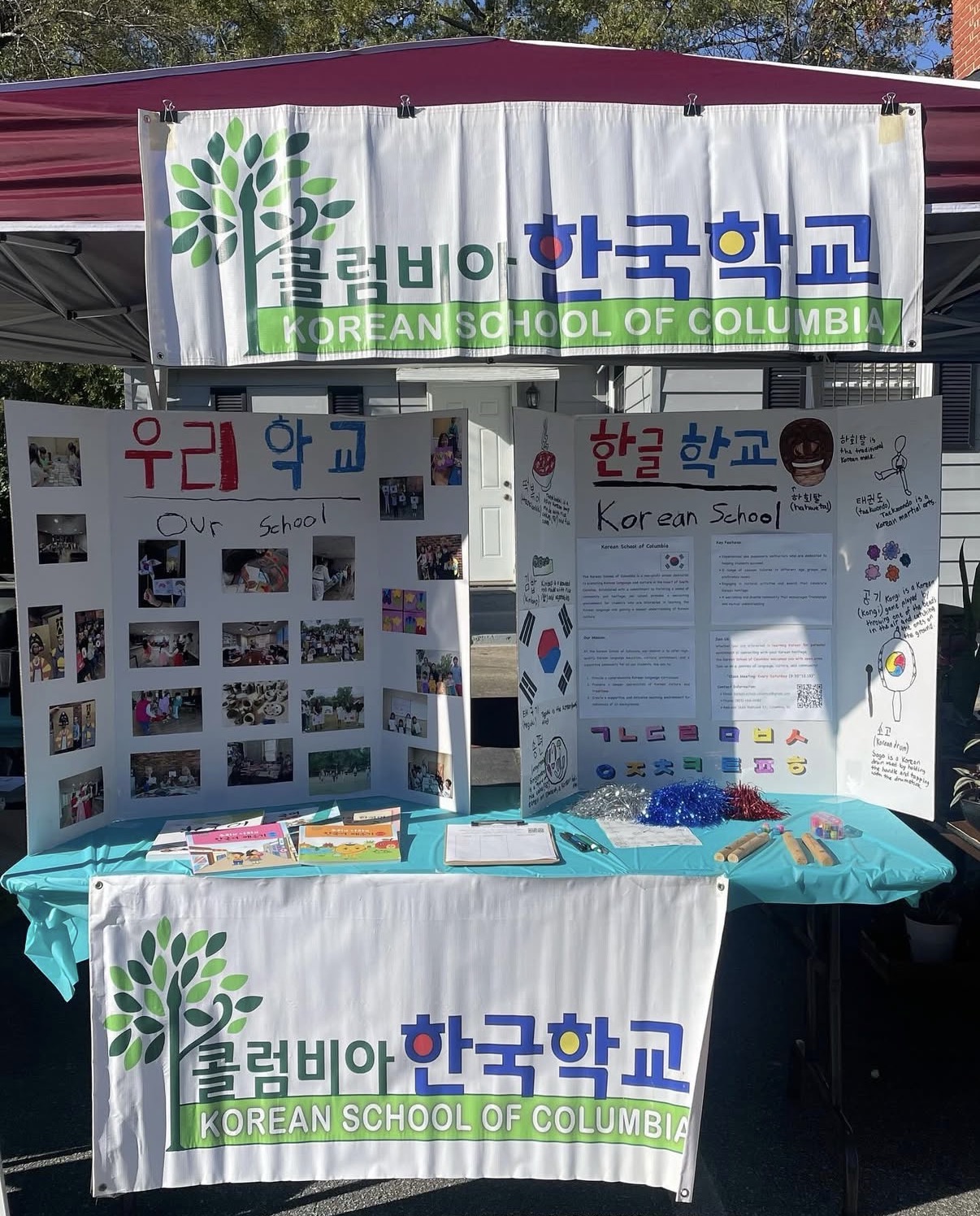
Moving to the United States made me a minority for the first time. I wanted to find something I could do in the community, even as a foreigner. I started teaching at the Korean School of Columbia, and the classroom looked more familiar than I expected.
The students were Korean American children and others with Korean heritage, there to learn the language and culture their families had brought with them. Their parents were watching the same slow drift I had seen in Seoul ten years earlier. I had assumed the Vietnamese Saturday School was about something specific to Korea. It was not.
Sharing language and culture does not look like much, but it holds a lot together. It keeps families able to connect deeply to each other, and it gives people somewhere to belong while they work out what to keep and what to let go. I expect to keep doing it wherever I end up.